Let’s honest: grocery store tomatoes taste like cardboard soaked in water. You want real flavor, and you want it steps from your kitchen. Building an edible garden is the ultimate shortcut to premium home cooking.
I started my first plot five years ago, and despite killing my fair share of innocent seedlings, I never looked back. You can do this too, without losing your sanity.
Why You Need an Edible Garden Right Now
The grocery store cannot compete with backyard freshness. When you harvest your own food, you control exactly what goes into the soil. Plus, you save serious money on organic produce over time.
Flavor That Actually Knocks Your Socks Off
Store-bought greens sit in trucks for days before they reach shelves. Your backyard harvest moves from dirt to plate in seconds. The difference in taste will completely ruin supermarket veggies for you forever.
Complete Control Over Your Dinner
Ever wonder what mystery chemicals coat your store-bought spinach? Growing your own food eliminates the guesswork entirely. You choose the soil, the fertilizer, and the pest control methods.
Picking the Perfect Spot for Your Plots
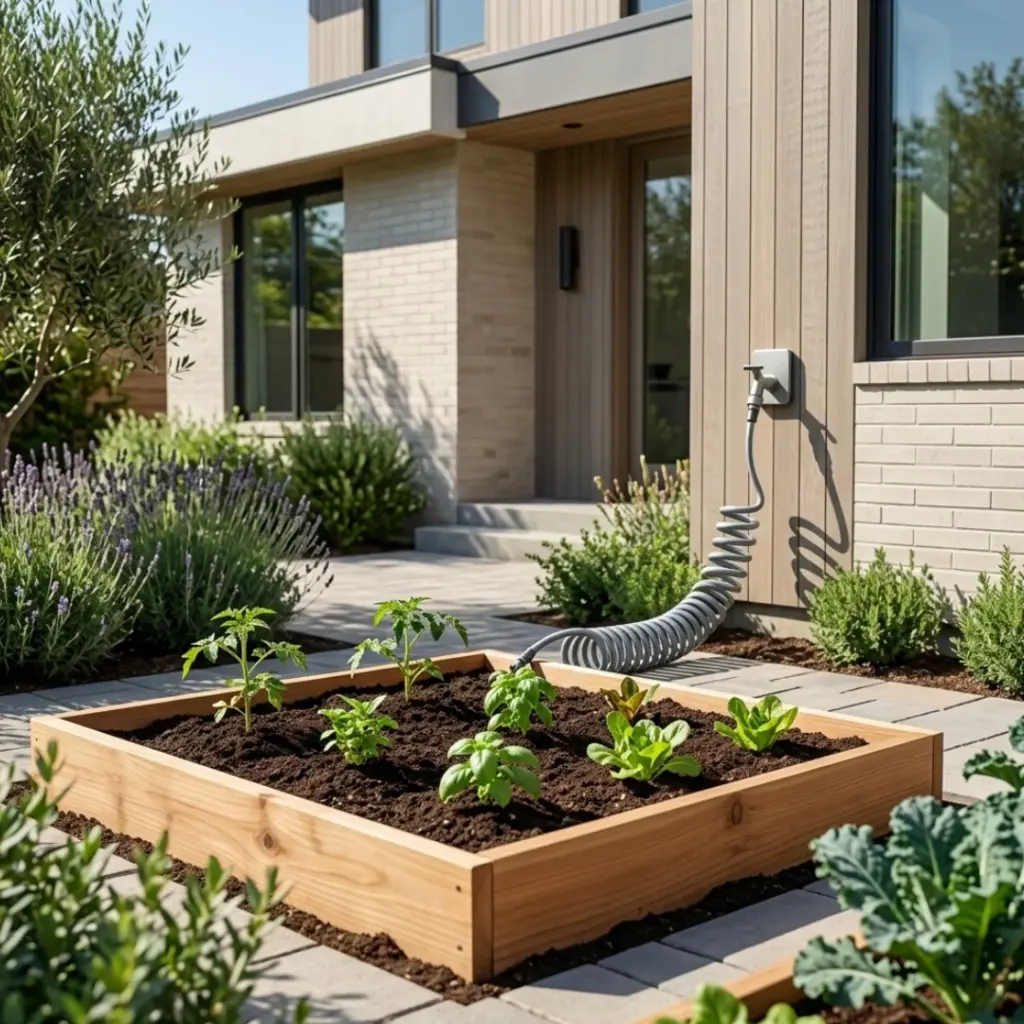
Plants need sunlight just like humans need coffee. If you stick your new green babies in a dark, damp corner, they will rebel. Take a day to watch how daylight moves across your yard.
Tracking the Daily Sun Movements
Most edible plants demand at least six hours of direct sunlight. Southern exposure usually provides the strongest, most consistent light throughout the growing season. Map your yard before digging a single hole.
Finding Easy Water Access
If your hose cannot reach your plants, your garden will die. Do not rely on your memory to drag a heavy watering can back and forth every afternoon. Proximity to a spigot saves your back and your plants.
The Ultimate Beginner Crop List
Don’t try to grow exotic vanilla orchids on your first attempt. Stick to the stubborn, resilient plants that actively want to survive. These three options offer the highest success rate for newbies.
Top 3 Foolproof Starter Plants
- Radishes: They mature in less than a month and grow almost anywhere.
- Cherry Tomatoes: They produce hundreds of sweet fruits with minimal daily effort.
- Zucchini: One plant will feed your entire neighborhood by August.
Mastering the Art of Soil Prep
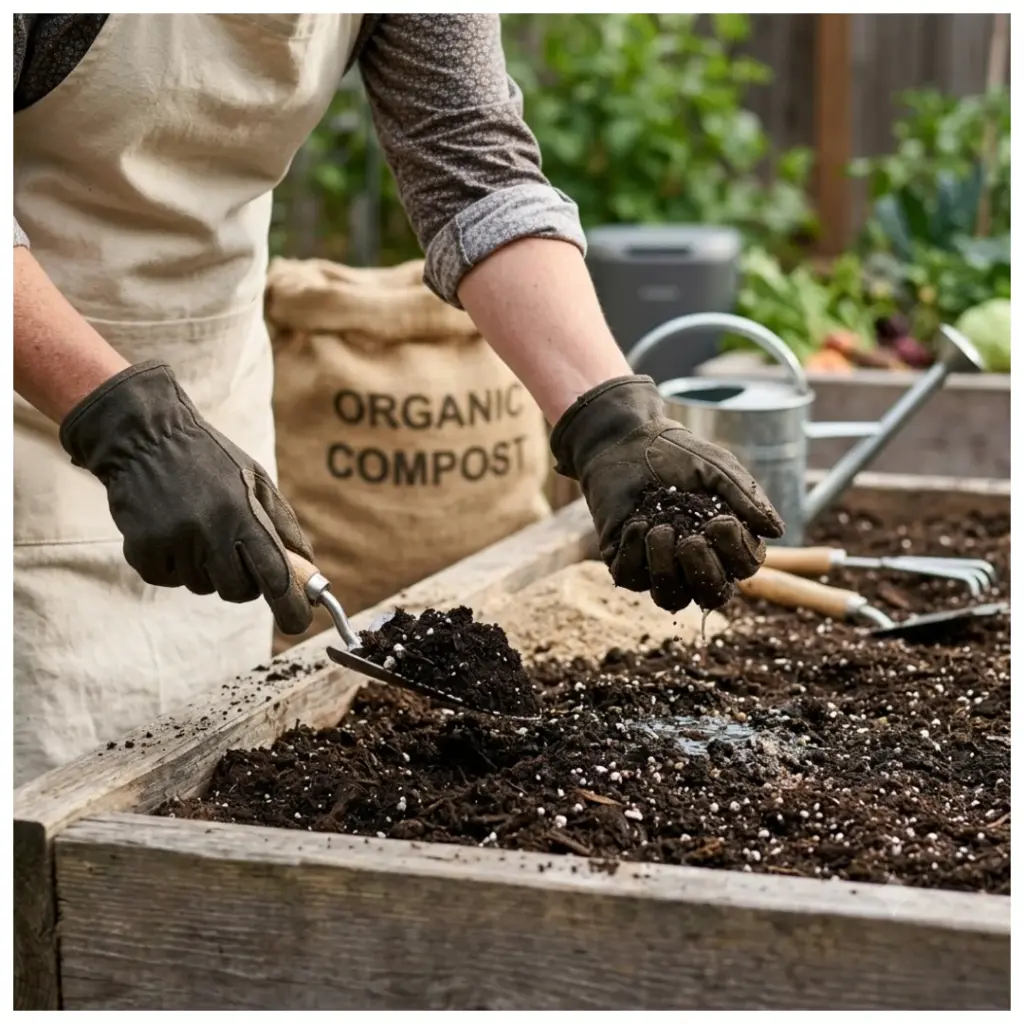
Plants eat what the soil holds, so feed them the good stuff. If you just dig into random backyard clay, your crops will suffocate. Think of soil like the foundation of a house.
The Magic of Quality Organic Compost
Compost breathes life into dead, packed dirt. It introduces beneficial microbes and essential nutrients that fuel rapid plant growth. Mix equal parts compost and topsoil for the ultimate nutrient-dense blend.
Testing for Proper Drainage
Squish a handful of wet soil in your palm. If it stays in a hard, muddy ball, your roots will rot. Add coarse sand or perlite to loosen things up and keep water moving.
Container Gardening for Tiny Spaces
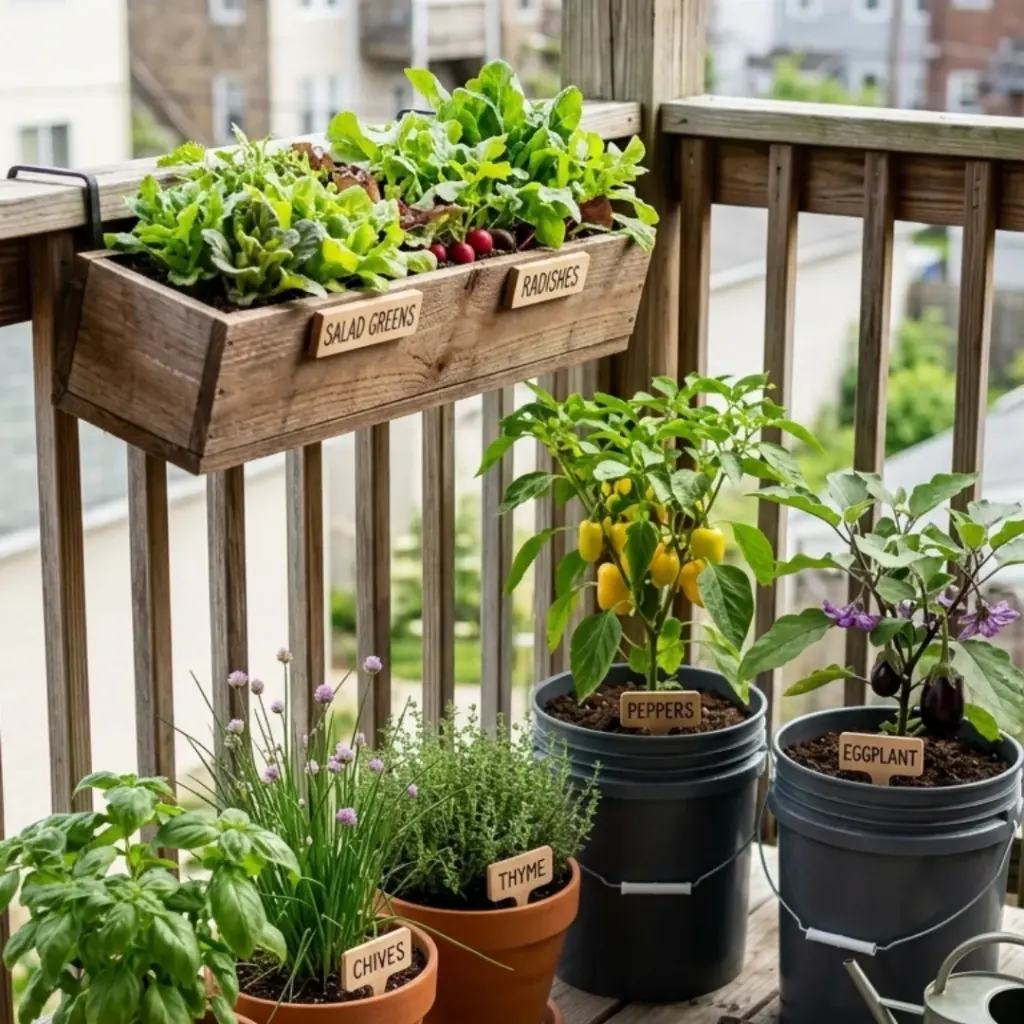
No yard? No problem. You do not need acres of land to grow a massive amount of food. Balconies, patios, and windowsills work perfectly if you use the right gear.
Choosing the Right Pot Sizes
- 1-Gallon Pots: Perfect for individual herbs like basil, chives, and thyme.
- 5-Gallon Buckets: Necessary for larger crops like peppers and eggplants.
- Window Boxes: Ideal for continuous harvests of salad greens and radishes.
Watering Without Drowning Your Greens
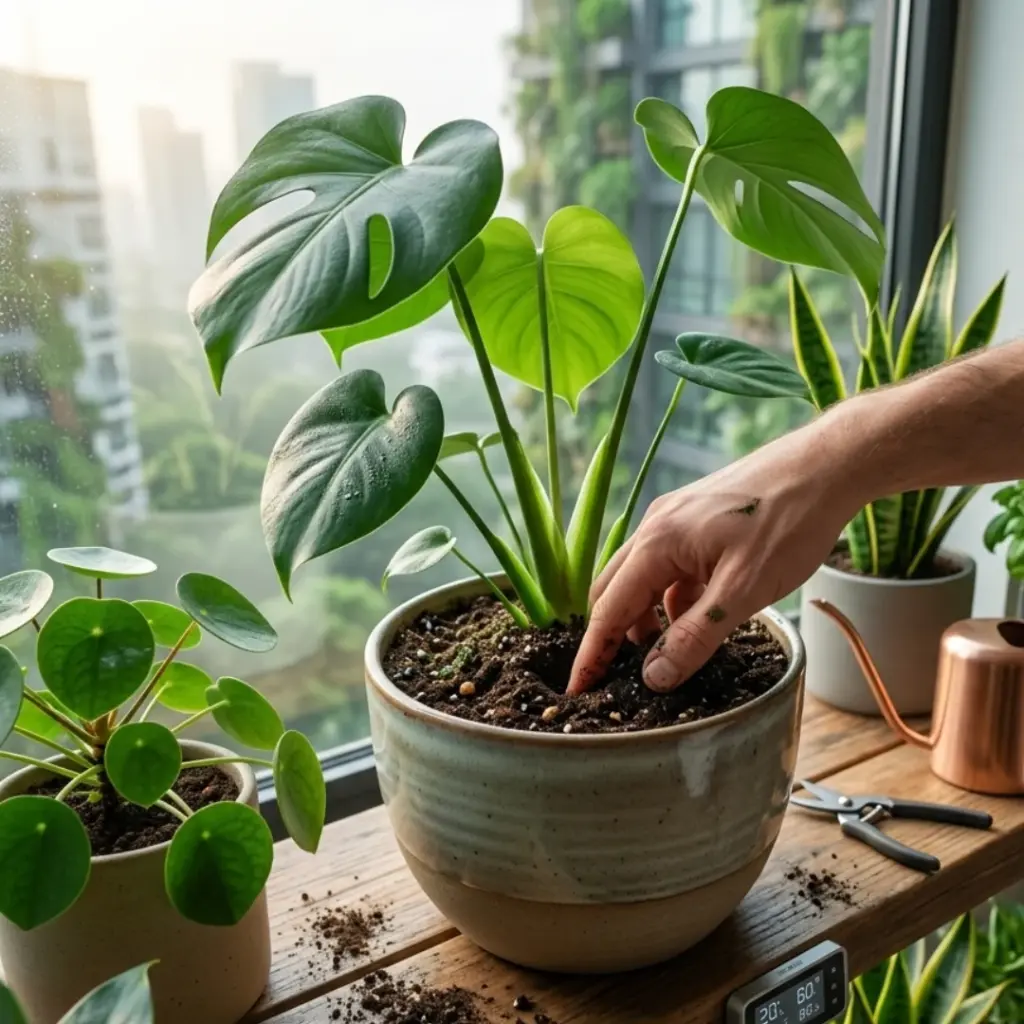
Watering seems simple, but it kills more plants than pests do. Consistency beats volume every single time. Your goal is damp soil, not an indoor swimming pool for frogs.
The Finger Test Method
Stop guessing if your plants are thirsty. Stick your index finger two inches into the dirt. If it feels dry, water thoroughly; if it feels damp, walk away.
Why Morning Watering Beats Nighttime
Watering at night leaves moisture sitting on leaves for hours. This creates an open invitation for fungal diseases and mold. Water at dawn so the rising sun dries the foliage quickly.
Keeping Pests Away Without Harsh Chemicals
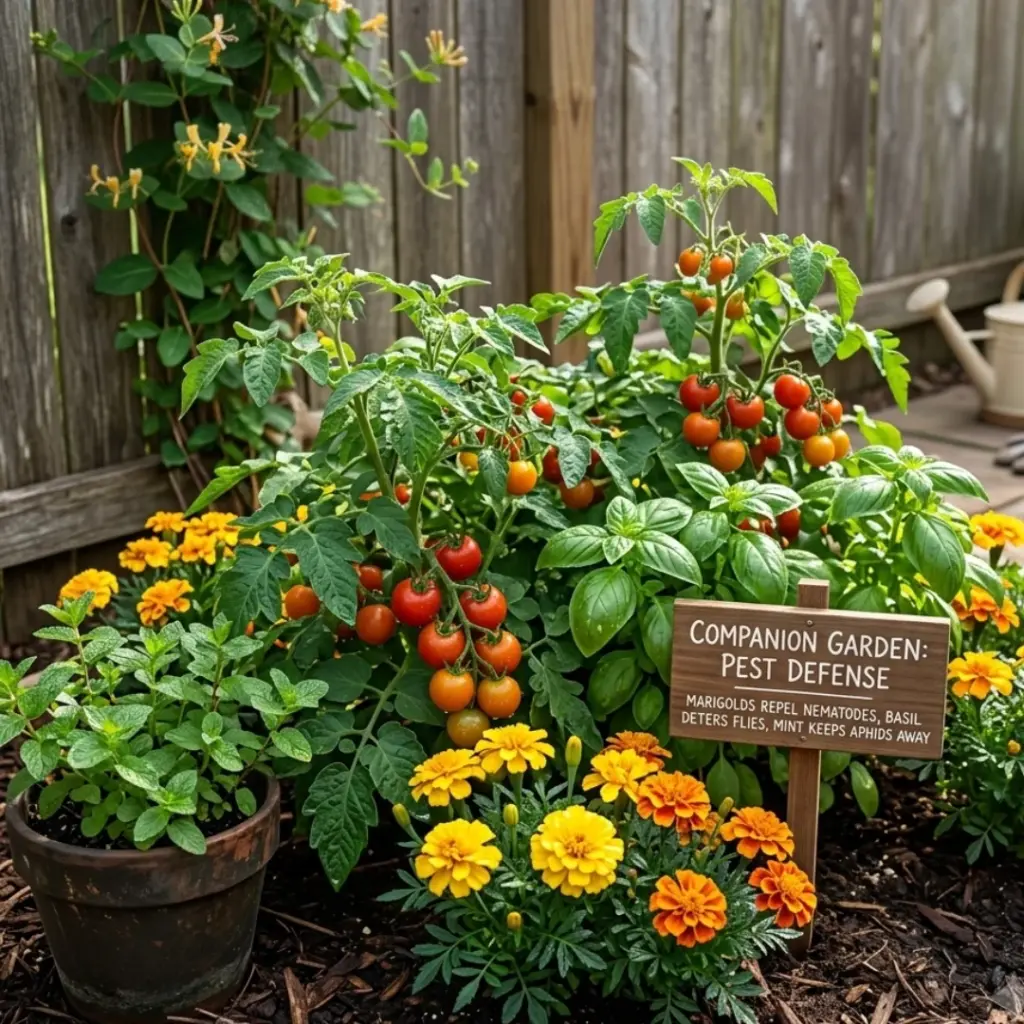
Bugs will show up to your garden party uninvited. You don’t need to spray radioactive chemicals to scare them off, though. Nature already built the perfect security system.
Companion Planting Secrets
- Marigolds: These yellow flowers repel nasty nematodes and destructive hornworms.
- Basil and Tomatoes: Growing them together improves flavor and deters flies.
- Mint: Keeps aphids away, but keep it in a pot so it doesn’t take over.
Harvesting Like a Seasoned Pro
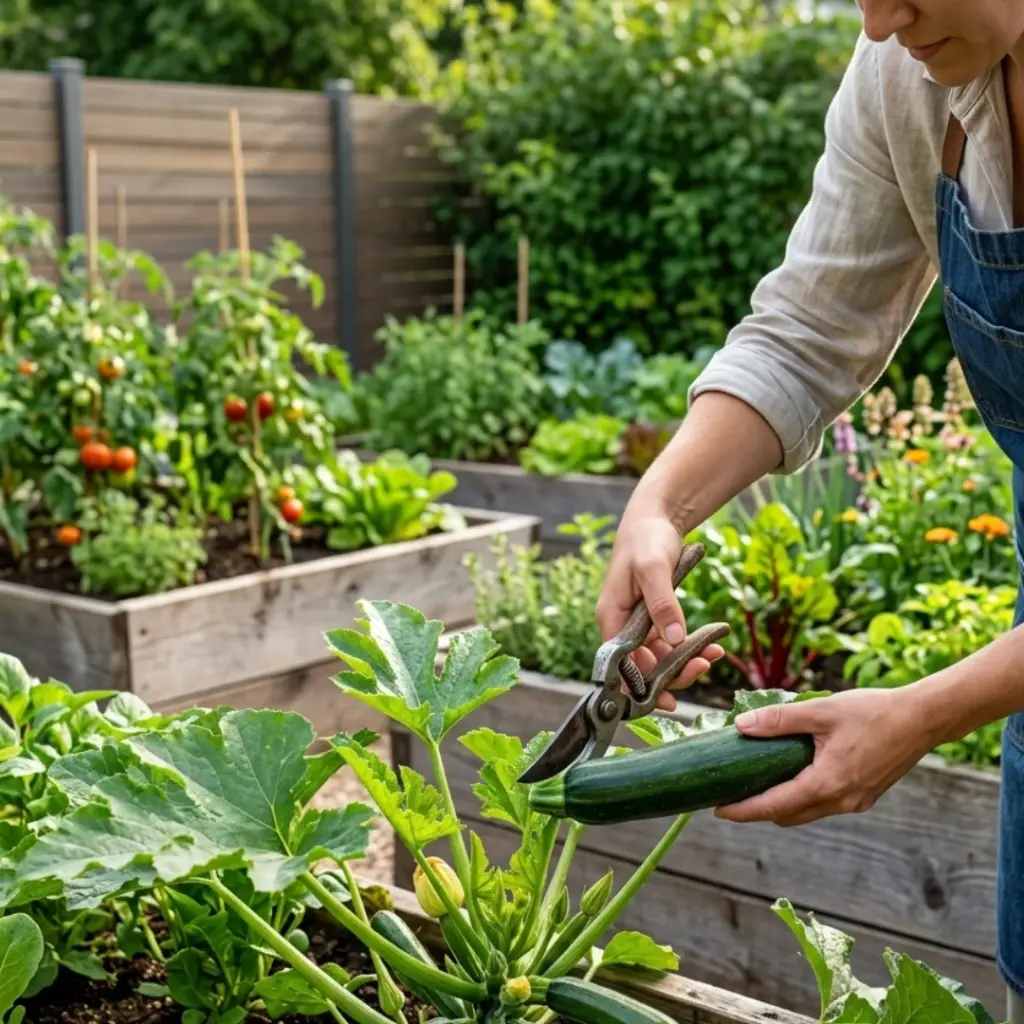
Don’t wait too long to pick your prizes. Bigger does not mean better when it comes to backyard vegetables. Harvesting early actually encourages the plant to grow even more food.
The Sweet Spot for Peak Ripeness
Pick your zucchini when they reach the size of a flashlight. If you let them grow into giant logs, they lose all flavor and turn woody. Regular harvesting keeps plants productive all season.
How to Cleanly Cut Your Crops
Never rip fruit off the vine with your bare hands. You will damage the main stem and invite disease. Use sharp pruning shears to make clean cuts every time.
Keeping the Momentum Going
Your first harvest is just the beginning of the journey. Edible gardening teaches you patience, builds resilience, and feeds your soul (and stomach). Grab some seeds and get your hands dirty!